
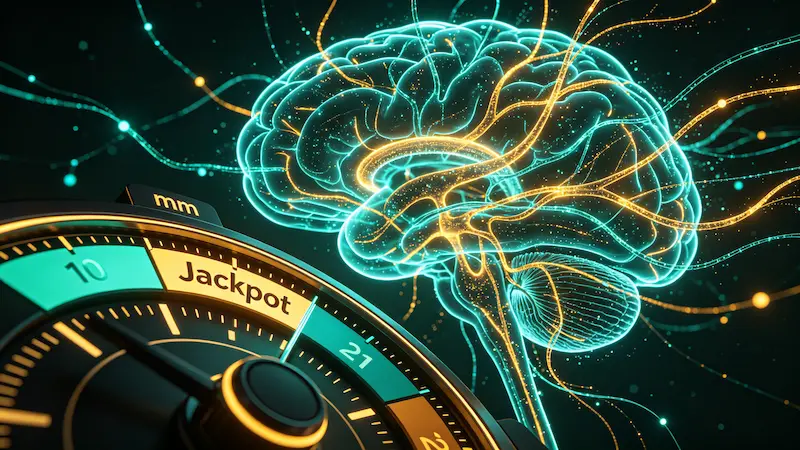
What is the “Near-Miss” Effect?
In the amusement industry, a “Near-Miss” occurs when a player is mathematically close to winning but ultimately fails. In 2026, research into the “Kidult” and casual gaming markets shows that a near-miss is psychologically more powerful than a total loss.
Perceived Skill Acquisition: The brain interprets a near-miss as a sign that the player is “learning” or “getting closer,” even in luck-based games.
Dopamine Spikes: Neuroimaging shows that near-misses trigger dopamine release similar to actual wins, sustaining the “high” of the game.
The “One More Try” Loop: Unlike a clear loss, which can lead to frustration and exit, a near-miss encourages the player to immediately re-insert credits to “fix” the outcome.
How it Works: The Happy Luck Teller Pro Implementation
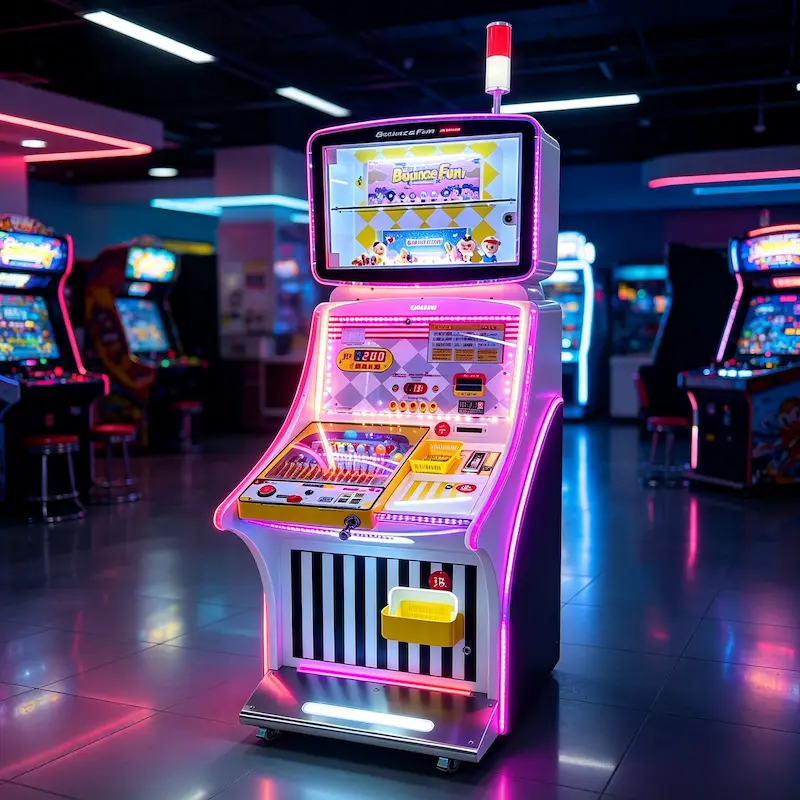
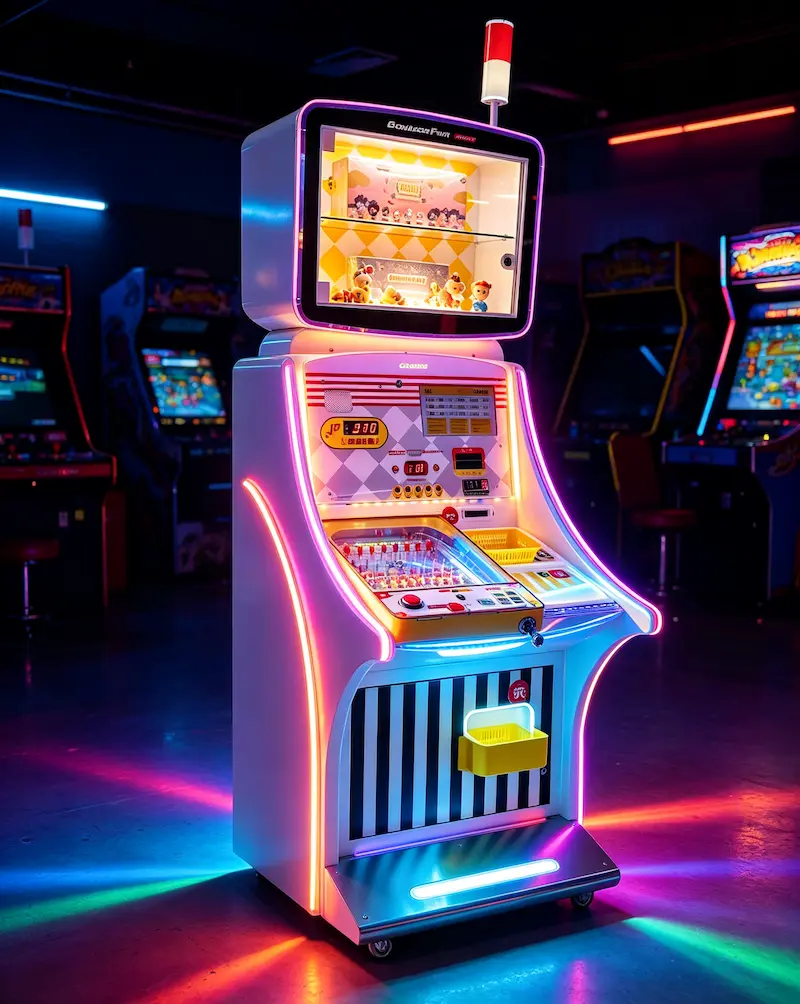
Galastar’s Happy Luck Teller Pro is engineered to maximize this psychological engagement through several key features:
Visual Precision: The 18.5-inch high-resolution screen displays a digital selector that slows down incrementally. Seeing the pointer “tick” past the jackpot segment creates a high-tension visual near-miss.
Auditory Cues: Our 2026 soundscapes use rising pitch and frequency. When the draw stops just short of a win, a specific “Aww, so close!” audio cue plays, which validates the player’s effort.
Real-Time Animation: High-speed processing ensures that the “Jackpot” animation sequence begins to flash before the draw stops, keeping the player’s focus locked on the win zone.
Use Cases: Strategic Machine Placement
High-Traffic Retail: Near-miss psychology works best where foot traffic is high. Passing shoppers see a player “almost win,” which encourages them to try their own luck.
Barcades & Social Hubs: In social settings, a near-miss creates “spectator tension,” where friends cheer on the player to try again.
Cinema Foyers: The short, high-intensity dopamine loop is perfect for moviegoers with only a few minutes of dwell time.
Comparison: Near-Miss vs. Standard Payout Models
| Near-Miss Model (Happy Luck Teller) | Fixed Payout Model (Standard Vending) | |
|---|---|---|---|
| Player Retention | Very High (Repeat attempts) | Low (Single transaction) | |
| Emotional Engagement | Excitement & Tension | Utility & Satisfaction | |
| Revenue Velocity | High (Multiple plays per minute) | Steady (One play per minute) | |
| Marketing Value | High (Creates social media “moments”) | Low |
FAQ
Q: Does the Near-Miss effect frustrate customers?
A: When balanced correctly, no. It creates “fun tension.” The Happy Luck Teller Pro is designed to ensure that actual wins occur frequently enough to maintain a sense of fairness while using near-misses to build excitement.
Q: Can operators control the frequency of near-misses?
A: Yes. The Galastar admin panel allows you to adjust the “Near-Miss Logic” to ensure your machine matches the spending habits and expectations of your specific demographic.
Q: Is this effective for adult players?
A: Yes. In fact, adult “Kidult” collectors are more susceptible to near-miss motivation because they often have a higher “completionist” mindset regarding prize sets like Ichiban Kuji.
Technical Specs
Logic Engine: Galastar Neo-Logic V3 (Psychology-Optimized)
Interface: 18.5-inch Capacitive Touchscreen
Audio System: Dual-Channel Stereo with Frequency-Modulated Tension Cues
Customization: Fully adjustable win/loss visualization parameters
Return to Hub: 2026 Guide to Interactive Prize Redemption ROI
Product Specs: Happy Luck Teller Pro: The Flagship 18.5″ Touchscreen Prize Machine
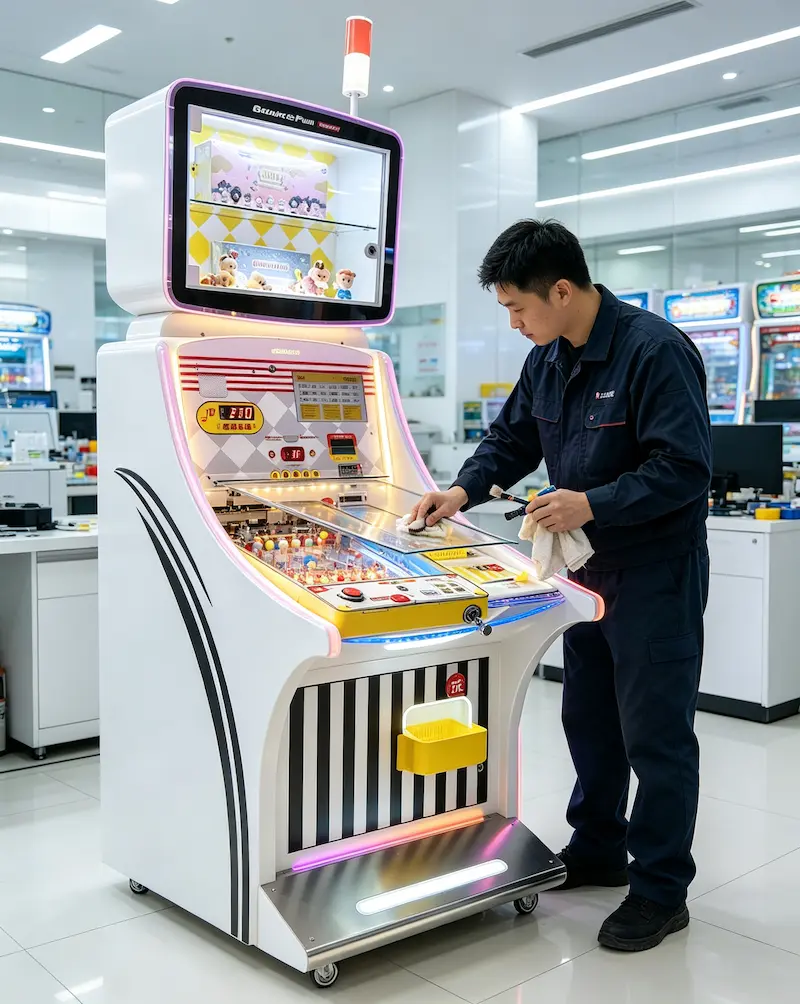
Maintenance Guide: Low-Maintenance Arcade Profit: The Engineering of the Happy Luck Teller
 English
 Español
 简体中文
简体中文